Android 7.0 Nougat vs iOS 10: How Do They Really Compare?
This year, both Android and Apple rolled out their next generation operating systems, and it’s fair to say both platforms are strong in their own right. To really understand what each one brings to the table, it helps to put them side by side. If you’re planning to buy a new smartphone soon, this comparison is worth a read, because choosing between iOS and Android isn’t as simple as it might seem. Both operating systems bring something genuinely good to the table. In this article, we’ll walk through a few key features of Android 7.0 and iOS 10 and see how they stack up.
Android 7.0 Nougat vs iOS 10: Interface and Notifications
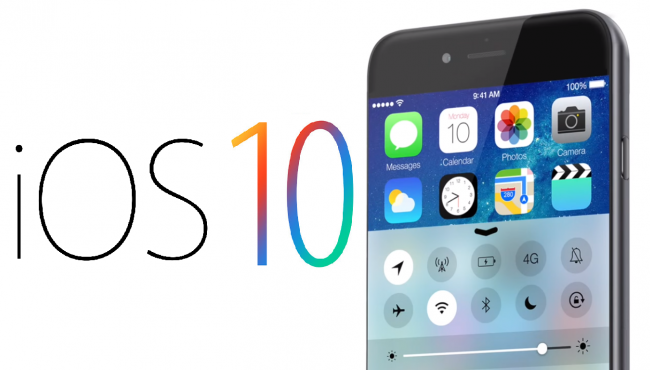
There are some clear interface changes worth noting in both updates. With iOS 10, Apple pushed iOS 9’s 3D Touch feature further with the introduction of the Control Center, which lets users do things like adjust the flashlight intensity or set a quick timer. Widgets on the iOS 10 lock screen also feel more versatile now, easily reachable with a simple left swipe. Notifications show up as cards, and unlike iOS 9, the lock screen wallpaper no longer fades out every time a notification appears. When you’re playing music, the Now Playing view on the lock screen is noticeably bigger too, making the buttons easier to tap and the volume scroller easier to control.
Android’s home screen widgets take a different approach compared to iOS, though the features hold up well in comparison. The biggest interface shift in Android shows up on the notifications screen, where you can now reply to messages directly without ever leaving the notification itself. Another major change appears on the multitasking screen, where Android 7.0 introduced split screen mode, letting users run two apps side by side. Apple, on the other hand, still hasn’t rolled out true multitasking, something that’s started to feel like a real gap now that Android has it.
Android 7.0 Nougat vs iOS 10: Security
As smartphones become a bigger part of everyday life, security naturally becomes a bigger concern too. Both Apple and Android continue refining their operating systems with this in mind. Apple has dealt with security issues in the past, though those problems were addressed over time. These days, both the latest Android and Apple updates offer strong security protections designed to guard against digital crime and data breaches.
Android 7.0 Nougat vs iOS 10: Customization
It’s widely known that Android gives users far more freedom when it comes to customization. In Nougat, you can adjust the interface to match your own style. Pulling down from the top of the screen reveals five shortcut icons above your notifications, and pulling down again brings up even more icons along with an edit button. You can drag extra icons into the main area and even choose exactly where each one sits.
Apple takes a more locked down approach here. iOS 10 doesn’t let you customize icons in the Control Center, and there’s no way to switch back to the old iOS 9 layout where everything lived on a single tab. It can be a little frustrating too, since you can’t immediately see which Wi-Fi network you’re connected to without digging into Settings and then Wi-Fi. Android, by comparison, displays the network name right beneath the icon, and Nougat even shows which Bluetooth device is currently connected.
iOS 10 vs Android 7.0 Nougat: Final Thoughts
Picking an outright winner here is genuinely tough, since the latest versions of both operating systems are fairly close in terms of features and overall user experience. Each one brings its own strengths and thoughtful touches to the table, though there are still a few areas where both Apple and Android have room to improve.