

Redesigning a website can honestly be one of the more exciting parts of running a business online. It’s a blank canvas, and how you fill it comes down to your own creativity and vision. There’s real freedom in that.
That said, a great looking website matters more than people sometimes realize. If you want solid traffic and a healthy conversion rate, your site has to actually look the part.
Here’s where a lot of designers and creative teams go wrong though. Many of them pour all their energy into the visual side of the website while completely overlooking SEO, content, and functionality. Visual design alone doesn’t win visitors over. Several other factors play just as big a role in whether a website succeeds or falls flat.
So what should you actually be thinking about when you redesign your site?
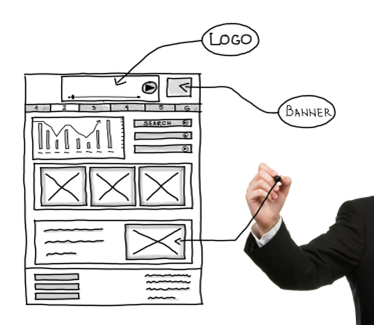
Website Structure
When you’re redesigning your website, don’t overlook how your site is currently structured. Your information architecture needs to be set up in a way that supports both visibility and conversions, so it’s worth taking a real look at how your current site performs.
Which pages convert the best right now? What’s the most common path visitors take through your site? Which pages have a high bounce rate? All of this information is genuinely useful and should shape how you rebuild your site’s architecture going forward.
It’s also worth remembering that people open websites on all kinds of devices these days, phones, tablets, laptops, you name it. Your site needs to look great no matter what it’s viewed on. A website built for mobile traffic isn’t optional anymore, it’s the baseline. Full responsiveness is simply expected at this point.
Navigation
Navigation is another piece that really shapes whether your new website succeeds or struggles, and that applies to both human visitors and search engine crawlers trying to make sense of your site.
Stick to a standard navigation style since it directly affects both your traffic and your search engine rankings. Every part of your new website, from content to individual URLs, should connect back to your navigation in a logical way. The goal here isn’t to impress visitors with some clever new way of getting around your site, it’s simply to help them find what they came for. Keep your navigation menu from getting too crowded, and try not to lean too heavily on dropdown menus. A simple, familiar navigation structure works best. Stick with what people already know how to use, and you’ll make things much easier for your visitors.
Content
The content on your website carries a lot of weight. Its quality and relevance are often the single biggest factor in whether your new site succeeds or falls short, which is exactly why it deserves real attention during the design phase, not as an afterthought.
It’s worth deciding early on where your content will actually live on the page. You’ll also want to figure out whether your site includes a blog, giving visitors a place to read informative articles regularly. Updating your content often helps too, since search engines tend to crawl active sites more frequently, which improves your chances of ranking well over time. Legibility matters just as much as the words themselves, so use a clean, readable font and place your content in the right spots on the page. Keywords also carry serious weight when it comes to search engine indexing and ranking, so working the right ones into your content makes it much easier for search engines to understand and index your site properly.
A redesign is actually a great opportunity to rework and reorganize your content, cutting out anything that’s no longer pulling its weight. And if you can’t finalize every piece of content during the redesign itself, just make sure you leave proper placeholders so nothing gets left behind.